Context
Urban Tables is a chef-led restaurant in College Station, Texas, one of several dining rooms under the same ownership. It serves a sit-down menu to a residential audience in the neighborhoods around it, seats normal parties on a walk-in basis with longer waits for larger groups, and takes larger reservations by phone. Alongside regular service it hosts occasional evening events, including tastings, which it promotes through its Facebook page. Its public presence at the time of the engagement ran across a website, an Instagram account with a substantial following, and that Facebook page.
The engagement fell in the summer of 2020, when dining rooms in Texas were operating under capacity limits and guests were deciding restaurant by restaurant whether to eat out at all. Precautions had become part of what a restaurant communicates, not just something it does, and the choice of where to eat was increasingly made online before anyone arrived. The restaurant was already moving on some fronts of its own, looking for a photographer and arranging live music, which shaped what was worth advising on and what was not.
Challenge
Urban Tables came to TASK in the first summer of the pandemic with a direct question: how could the restaurant show the public it was taking health precautions seriously, and keep guests returning while dining rooms ran under capacity limits? The business also wanted to know whether it was marketing to the right people, was unsure whether discounts would build loyal customers or only one-time visits, and was looking for ways to sustain staff morale through a disruption that had outlasted every forecast. The restaurant had held up better than most through the spring, so the question was less about survival than about how to stand out: what a first-time visitor should see online, how to say plainly that precautions were being taken, and which of several ideas already circulating were worth the owner's limited time.
How the team worked
The team began by testing the client's framing rather than accepting it. Before proposing anything, it asked whether the concerns amounted to a marketing problem at all, and concluded that they did: the issue sat outside the kitchen, in what the public could see and understand about the restaurant. That answer set the boundary for everything that followed, and the first deliverable was written to make the reasoning visible to the client.
Work was then split by role. Consultants reviewed the website and the Instagram and Facebook pages, asking a fixed set of questions of each: whether the imagery appealed to the intended audience, whether the menu read clearly, whether the pictures stood out, and what could be improved. Another consultant researched the surrounding market from public demographic sources, and another kept a steady line of contact with the restaurant so findings could be shared as they emerged rather than held to the end.
The engagement ran to two dated deliverables. The first answered whether the restaurant faced a marketing problem and named what in its current presence needed to change, down to suggested wording for the reservation and walk-in instructions. The second proposed solutions that varied by the time and cost each would take, illustrated in a presentation of the customer demographic the team had assembled from household income and family-composition data for the neighborhoods nearby.
Ideas were filtered as much as generated. Live music was judged a good fit for the audience but left out of the final recommendations because the restaurant was already arranging it. Lower-priced menu items were noted and deliberately ranked low, since the demographic work pointed away from a student audience. A consolidated report gathered the research, the ideas the team pursued, the ideas it set aside and why, and a short list of action items in priority order.
Workstreams
- Tested whether the client's concerns amounted to a marketing problem, and concluded that the restaurant's online presence was where public confidence in its precautions would be won or lost.
- Audited the website, Instagram, and Facebook pages for image quality, menu clarity, reservation wording, and the links between platforms.
- Researched household income and family composition in the neighborhoods around the restaurant and summarized the likely customer base in a visual brief.
- Assessed the case for and against discounts as a way to build repeat business rather than one-time traffic.
- Weighed venue and menu ideas, including live music and lower-priced dishes, and set aside those the restaurant was already pursuing or that did not fit its core audience.
- Consolidated the findings into a short, prioritized list of action items the restaurant could carry out quickly.
What the team found
- The restaurant's platforms told slightly different stories: event photography that worked well on one channel never appeared on the website, where most first-time visitors landed.
- The links between the website and the Instagram account were out of step in both directions, so a visitor who arrived on one had no reliable path to the other.
- Reservation language differed from page to page, with one page inviting guests to call or text ahead and another describing seating as first come, first served.
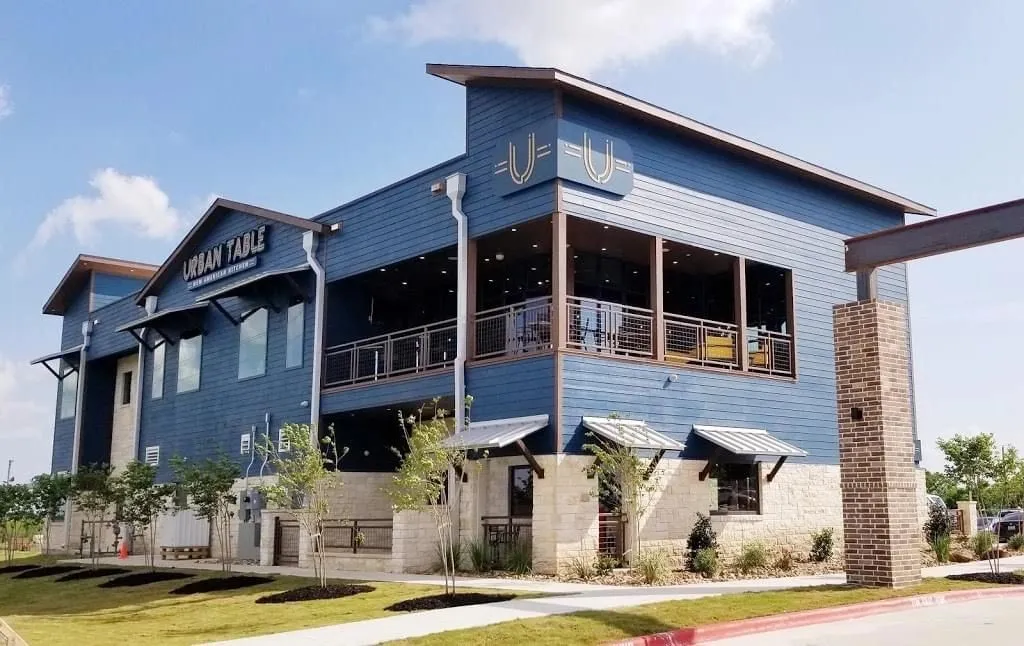
- The image a new visitor met first showed the building from the street rather than the dining room, leaving the atmosphere and the precautions being taken out of view.
- Household income and family composition in the surrounding neighborhoods pointed to an established residential audience rather than the student one nearby.
- Research on discounting showed restaurants commonly use it to introduce new guests and to move inventory, with repeat visits resting on the experience that follows.
What the client received
- Problem-definition memo answering whether the restaurant's challenge was a marketing problem
- Website review covering homepage imagery, menu clarity, and the first impression a new visitor forms
- Suggested replacement wording for the reservation and walk-in instructions
- Review of the Instagram and Facebook pages and the links between them and the website
- Customer demographic presentation for the neighborhoods around the restaurant
- Assessment of discounts as a tool for building repeat business rather than one-time traffic
- Consolidated final report with the ideas pursued, the ideas set aside, and prioritized action items
Outcome
Urban Tables left the engagement with a clear read on what its website and social channels were communicating, a set of specific fixes for photography, reservation instructions, and cross-platform links, and a demographic picture of the surrounding area to check its marketing against. It also had a reasoned case for trying discounts on its own terms, so the question could be decided with the trade-offs laid out, and a short ranked list it could work through in the order that mattered most to guests arriving online.
Recommendations
- Update the website first, since it is what most prospective guests see: place the Instagram link where the site already promises it, and keep the two profiles pointing at each other.
- Refresh the site's photography with images of the dining room and of staff in masks, so the precautions being taken are visible rather than only stated.
- Rewrite the reservation and walk-in instructions so a guest can tell at a glance when to call ahead and when to simply arrive; suggested wording was supplied.
- Use the demographic picture of the surrounding neighborhoods either to adjust the marketing or to confirm that the current approach already reaches the right households.
- Consider making discounts more available as a trial the restaurant can stop, treating it as a way to introduce new guests rather than a permanent change to how it prices.
- Treat lower-priced menu additions as a later option, given that the audience the research described is not the budget-driven one.
Next steps
- The client was handed a short action-item list in priority order, starting with the website, then the demographic check, then the discount trial.
- The client was handed suggested wording for the reservation and walk-in instructions, ready to drop into the existing pages.
- The client was handed the customer demographic presentation for the surrounding neighborhoods to check current marketing against.
- The client was handed the ideas the team set aside, with the reasoning for each, so they could be revisited if circumstances changed.
The team
- Alex Simonson
- Felix Read
- Katie Deakins
- Kenneth Mount