Context
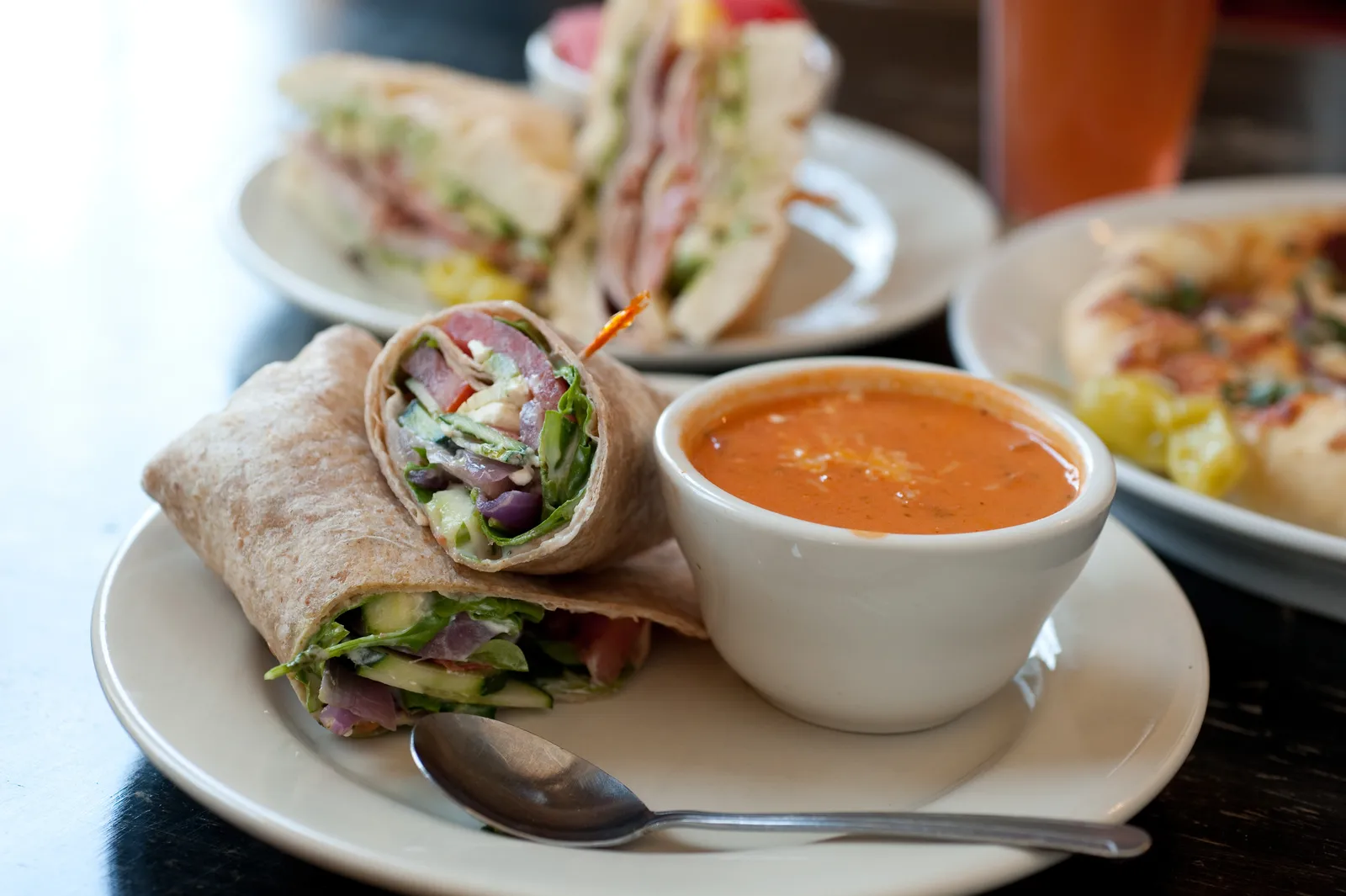
The Village is a farm-to-table cafe and local art gallery in downtown Bryan, Texas, open since 2008 and known for brunch made from produce grown on farms nearby. Over a decade it grew to include weekly live music, rotating exhibits by artists from across the Brazos Valley, and catered private events, while keeping its stated purpose of supporting the arts and the local economy. Its customers are residents of Bryan and College Station who come for the food and stay for the room.
By spring 2021 several things around the business were moving at once. The pandemic had reshaped how the cafe served people, adding boxed lunches for workplaces, subscription and take-and-bake family meals, drive-through coffee, and a la carte pickup of bread, eggs, and locally roasted coffee. Downtown Bryan was growing, with new residential development planned and commercial property values rising. Next door, a building that had operated as a wine bar for about ten years had closed and come up for sale, along with the building the cafe itself occupied.
Challenge
The Village had run a farm-to-table brunch cafe in downtown Bryan for more than a decade, adding local art, live music, and catered events along the way. Its needs had outgrown the building: food was prepared in a rented kitchen nearby, evening hours had never suited a brunch room, and event bookings had to be declined whenever the cafe was open. The owner saw an answer in the former wine bar next door and in owning both buildings, and needed a written plan that could carry that idea to lenders and advisers. The brief that reached the team was broader than that, covering day-to-day operations and budgeting as well, and the questions came faster than one semester could answer them: what a lender would expect to see, how two very different rooms could share one kitchen and one staff, and how far the case for the expansion could be made in writing before the financial work was finished.
How the team worked
The engagement began with a broad brief: help a busy owner put structure around day-to-day operations and budgeting while she prepared to expand. In the first client meeting the team learned that the expansion itself, a wine bar in the building next door and a purchase of both buildings, was the pressing question, and that the owner needed a plan she could put in front of a lender before the semester ended. The team split into operations and budgeting sub-teams so both halves of the brief could be worked at once.
Weekly meetings with the owner and her marketing manager filled in how the business actually ran: the prep kitchen leased a short walk from the cafe, the hours that had been pulled back from evening service, the events the room could not host while it was open, and the construction and permitting sequence the expansion would follow. The team also consulted an adviser at the regional small business development center, who set out the two things a bank looks for, a business plan and a set of financial projections, and what each has to answer.
That conversation settled the scope. Given the weeks available and where the adviser's own center focused, the team chose the business plan as its deliverable and left the detailed forecast to the owner and her adviser, agreeing to flag the data points from the projections that the plan would later need to carry.
Working from public plan templates, the owner's earlier plan, and her annotated draft, the team built an outline with a named author for each section, then drafted in parallel and reconciled the sections into one document. Industry, cafe culture, competition, and location research was written to support the case rather than sit beside it. The plan was handed over at the end of April as a living document, with the incomplete sections marked and a short list of questions for the owner to answer.
Workstreams
- Met with the owner and management team to document the cafe's history, current operations, and the concept for a wine bar and combined prep kitchen next door.
- Consulted the regional small business development center on what a lender looks for in a business plan and financial projections, and scoped the engagement around the plan itself.
- Reviewed the owner's earlier plan and annotated draft, then reorganized her thinking into a structured outline covering the executive summary, company description, market analysis, pandemic response, location, and execution.
- Researched restaurant and brunch industry trends, the rise of cafes as community gathering places, and The Village's position as an early brunch destination in Bryan-College Station.
- Documented the new service lines added during the pandemic, including boxed lunches, subscription meals, and drive-through coffee, as evidence of the business's adaptability.
- Wrote the plan as a living document with open placeholders so the owner could refine sections and add financial projections as they were completed.
What the team found
- A lender reads two documents rather than one: a plan that shows the owner has thought the expansion through, and a set of projections that shows it makes economic sense.
- The plan had to answer management questions as squarely as financial ones: whether one owner can run two rooms, who is responsible from open to close, and whether both are adequately staffed.
- Brunch and cafe service are not the same product as an evening one, and the research showed how hard a single room finds it to hold both atmospheres at once.
- Local and organic sourcing has become a point of difference in a crowded restaurant market rather than a nice detail, which is the ground the cafe had already been standing on for a decade.
- Cafes increasingly work as third places where people gather, network, and work outside the office, which matched how the cafe was already being used in downtown Bryan.
- The service lines added during the pandemic pointed the same direction the wider market was moving, toward convenience, which is why they read as durable rather than temporary.
What the client received
- Living-document business plan for The Village Cafe and its planned wine bar
- Structured plan outline with a named owner for each section
- Executive summary covering the current situation, the proposal, and the expected costs and returns
- Company description with ownership, management roles, and a company history and milestones list
- Market analysis sections on the restaurant and brunch industry, cafe culture, and competition
- Written record of the service lines added during the pandemic
- Location and execution sections framing the downtown Bryan case and the construction sequence
- List of open placeholders and questions for the owner to complete after handoff
Outcome
The Village now has a structured business plan that states the case for its expansion in one place: a wine bar as a distinct evening experience, ownership of both buildings as the fix for a split kitchen, and two spaces that let events run by day and by night. The owner can see how the cafe's decade in downtown Bryan, its local sourcing, and the service lines added during the pandemic read as one story to an outside reader. Because it was written as a living document with the open sections named, she can keep revising it as financing and construction plans take shape.
Recommendations
- Present the wine bar as a distinct evening experience closed off from the cafe, with its own atmosphere and its own hours, rather than as an extension of brunch service into the night.
- Make the case for owning both buildings on the operating logic first: the prep kitchen moves in-house, and the walk between two buildings comes out of the daily flow of service.
- Use the second space to take the events the cafe has had to decline, hosting gatherings in one room while the other trades normally, in the daytime and in the evening.
- Keep the boxed lunches, subscription meals, and drive-through coffee in the plan as continuing service lines, and present the pandemic year as evidence of how quickly the business adapts.
- Anchor the location section in downtown Bryan's own growth, using the district's development plans and rising commercial property values as the setting the expansion sits in.
- Pair the plan with the financial forecast before taking it to a lender, and draw the forecast's trend points into the plan so the two documents tell one story.
Next steps
- The client was handed the plan as a living document she owns and can edit, with the sections still open named in place: the mission statement, the milestone dates, and the marketing analysis.
- The client was handed a short list of questions to answer and research to finish, including the location metrics and the management roles that the location and company sections need.
- The client was handed a route for the financial work: complete the forecast with her adviser, who had offered to review either document, and fold its trend points back into the plan.
- The client was handed a plan structured the way a lender reads one, so the same document can go to a bank, to her adviser, and to anyone else weighing the expansion.
The team
- Chelsea Ebert
- Clifford Moshay
- Justis Morales
- Katie Deakins
- Ramyani Roy
- Ranyah Albeesh
- Rebekah Franklin