Challenge
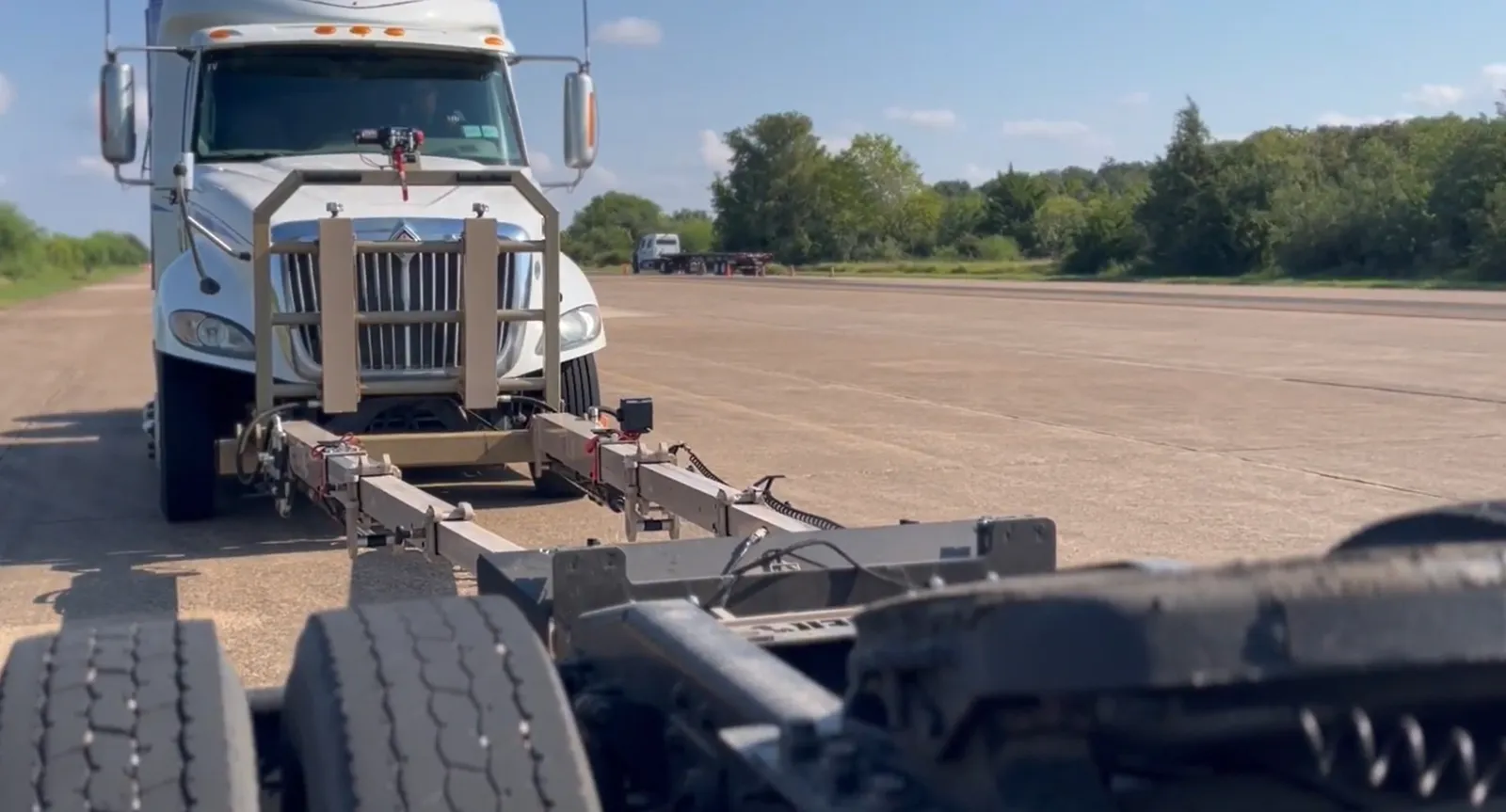
Tether had developed a mechanically linked, self-powered follower-vehicle platform designed to expand hauling capacity without requiring a second driver. The technology created a compelling operational proposition, but commercialization required clarity across market entry, pricing, regulatory risk, and external positioning.
Workstreams
- Evaluated forestry, mining and aggregates, oil and energy, agriculture, and defense using a weighted market-attractiveness framework.
- Prioritized early deployment environments based on product-market fit, adoption friction, private-land access, and pilot feasibility.
- Built a targeted outreach pipeline around fleet, logistics, and operations decision-makers.
- Reviewed legal classification, insurance, liability, and state-by-state deployment considerations.
- Developed a pricing and revenue framework connecting customer economics to Tether’s commercialization model.
- Created website, LinkedIn, booklet, and messaging recommendations that translated engineering detail into customer and investor value.
Outcome
The work gave Tether a focused initial market, a practical pilot and outreach path, a clearer external story, and a framework for evolving pricing as real deployment data becomes available. Forestry emerged as the strongest near-term entry point, with mining and aggregates positioned as a secondary opportunity.
The team
- Camryn Couvillion, project lead, Defense market entry and intervehicle communication
- Arjun Babla, GTM and legal
- Ethan Cung, Financial and pricing
- Jake Kurian, Marketing
- Rohan Doshi, Market Identification
- Ngan Vu, executive