Context
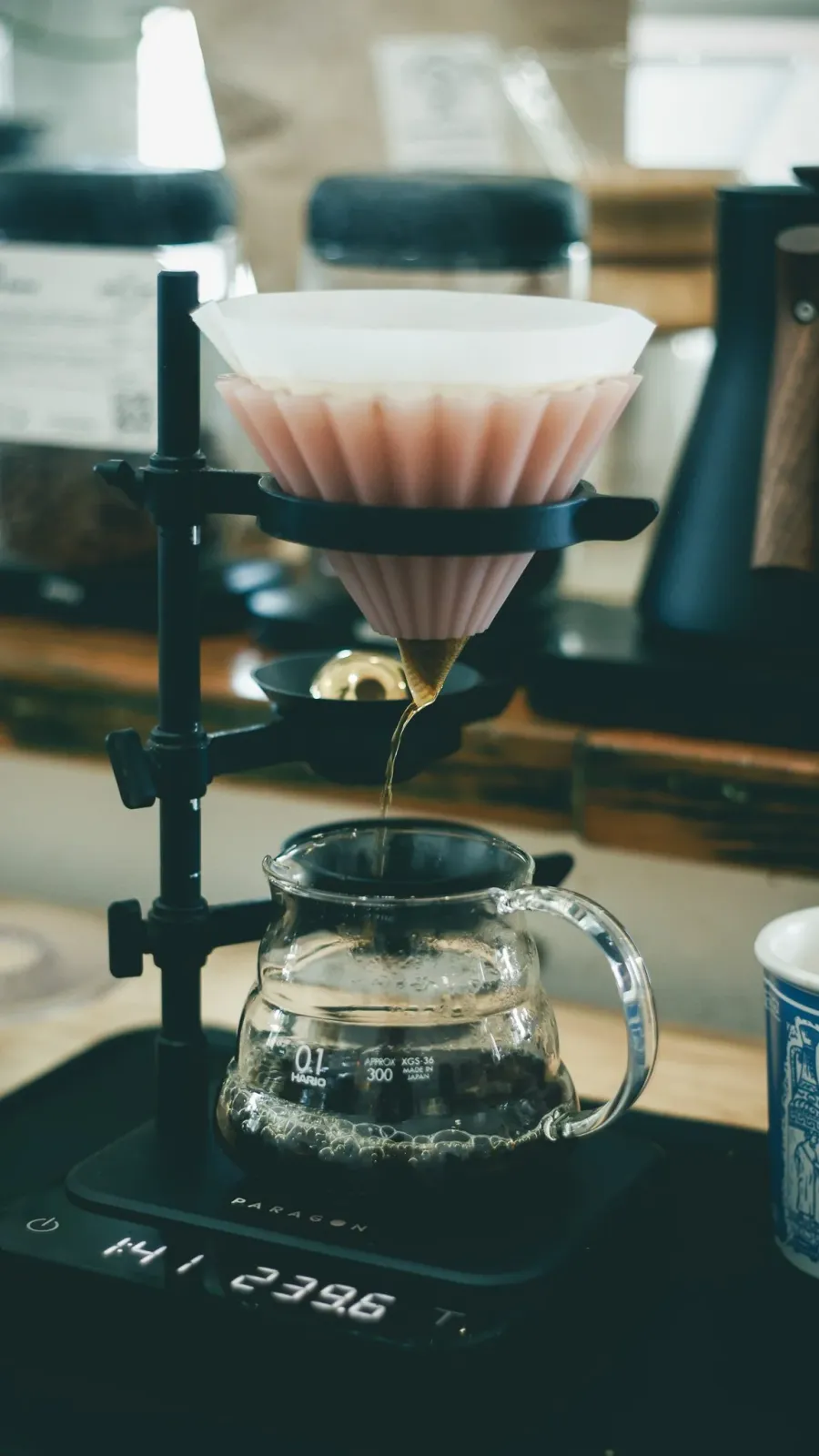
Tavo Coffee Company is a specialty coffee shop in Historic Downtown Bryan, Texas, run by a family of fifth-generation coffee producers with roots in Guatemala. The shop serves espresso, drip, and pourover in a welcoming, community-centered space, and its customers include Texas A&M students, faculty, local residents, and visitors passing through. Alongside the cafe, the owners operate a certified run and sports nutrition coaching business built on the same values of consistency, connection, and community, and a run club ties the two together.
By the fall of 2025 the business was preparing for a second market. The owners were planning a mobile coffee operation in Austin built on a Kei truck, a small imported vehicle that carries its own rules for import, registration, and on-road use in Texas. Austin offered a dense coffee culture, a steady calendar of festivals and markets, and a large student and young professional population, but it also meant running two very different formats at once: a fixed storefront in a college town and a moving truck in a larger city.
Challenge
Tavo Coffee Company runs a specialty coffee shop in Historic Downtown Bryan, built on family coffee-farming roots in Guatemala and a community-centered space that draws students, faculty, residents, and visitors. With a mobile Kei truck expansion into Austin on the horizon, the owners wanted a clearer view of menu pricing and product mix, a bookkeeping setup that could hold up across two locations, a refreshed brand and web presence, and a concrete plan for launching in a new city. The questions ran together: what a second, higher-priced market would bear, how a Kei truck could be bought, registered, and permitted legally in Texas, which outside financing route suited an owner-run business, and who would carry marketing once the owners were splitting attention between a storefront and a truck. The owners also asked for truck options at more than one price point.
How the team worked
The team split the engagement into four tracks: profit optimization, brand identity and marketing, bookkeeping and marketing support, and mobile expansion. Each track started with what the business already had, including current menu pricing, year-to-date sales, point-of-sale reports, the existing website, and social media performance, and worked toward a recommendation the owners could act on without further analysis.
Pricing work compared the College Station and Austin competitor sets separately, which led to different strategies for each market: competitor-based pricing at home, where prices varied widely across shops, and value-based pricing for the truck, where competitor prices sat close together and brand carried the difference. A questionnaire on price sensitivity established the band customers treated as fair, and a profitability model built from current cost inputs turned that band into product-level margin scenarios the owners could revisit.
The bookkeeping and marketing-support track began with the record-keeping a Texas food business is required to maintain, then read the current point-of-sale reporting against that list to see what a second location would expose. Support options were compared side by side on cost, skill, oversight required, risk, and how well each would scale, so the recommendation came with a fallback rather than a single answer.
Brand and expansion work was deliberately practical. Website mockups were approved by the owners before the full redesign, a giveaway was run live on the shop's account to test what interactive content could do, and the Austin plan was built as a dated calendar with permits, inspections, event applications, and outreach templates so the truck launch could begin as soon as the owners were ready. A midpoint check-in reset the truck research toward the price points and budget the owners named.
Workstreams
- Benchmarked menu pricing against local and Austin coffee shops, tested willingness to pay with a questionnaire, and built a profitability model the owners can update themselves.
- Mapped profit contribution by product and drafted mock menus for the College Station shop and the Austin truck, including a tiered menu, a core menu, and a rotating specialty line.
- Compared external funding routes for the expansion, recommended one, and listed the documents, sources, and first calls needed to pursue it.
- Profiled target customers in both markets, redesigned the website around brand storytelling and navigation, and ran an interactive social media giveaway alongside a posting schedule and content mockups.
- Reviewed bookkeeping requirements and point-of-sale reporting gaps, then compared bookkeeping and marketing-support options and recommended a path for each.
- Built a phased Austin launch plan covering Kei truck acquisition and registration, permits and inspections, an events calendar, and a list of venues, markets, and partners to approach.
What the team found
- Benchmarking against local shops showed Tavo sitting at the high end for espresso and at the low end for lattes, with a wide competitive spread that left room to move.
- The two markets called for different pricing logic: local prices varied widely across shops, while Austin prices clustered tightly, making brand, quality, and experience the levers there.
- Profit contribution was concentrated in a small group of drinks, which meant menu design rather than volume alone decided how much each sale carried.
- The price sensitivity questionnaire pointed to a band customers read as both fair and premium, and named taste and atmosphere as the strongest reasons to pay it.
- Customer profiles in both cities shared the same motivations, community, ethical sourcing, quality, and wellness, and differed mainly in income level, neighborhood, and daily rhythm.
- The current point-of-sale reporting covered sales and payment detail well but stopped short of the accrual records, formal statements, and consolidated view two locations would need.
What the client received
- Pricing and profitability model with competitor benchmarks and price-sensitivity analysis
- Profit contribution analysis by product for the College Station menu
- Mock menus for the College Station shop and the Austin truck
- Funding recommendation with a documentation checklist, sourcing guide, and outreach template
- Customer profiles for Bryan-College Station and Austin
- Redesigned website, social media giveaway, mock posts, and posting schedule
- Bookkeeping and marketing-support comparisons with a recommended path and fallbacks
- Phased Austin mobile expansion plan with dated calendar, Kei truck legal and permit guide, and equipment list
- Austin venue, market, partner, and creator outreach lists with email templates
Outcome
Tavo now has a pricing and menu direction grounded in competitor and customer research, a profitability model the owners can rerun as costs move, a redesigned website that carries the family story, and a recommended structure for bookkeeping and marketing support at each stage of growth. For Austin, the owners hold a phased launch plan with the legal, registration, and permitting requirements for a Kei truck, an equipment checklist, and a ready list of venues, markets, and collaborators to contact, so they can decide when to start rather than what to do first.
Recommendations
- Raise pricing at the downtown shop on a competitor-based basis and open the Austin truck on a value-based basis, using the profitability model to test each change before it reaches a menu board.
- Move the College Station menu to a tiered structure with a rotating drink of the week, and launch the truck with a short core menu plus a premium barista favorites line that keeps ordering fast.
- Pursue a government-backed expansion loan as the primary financing route, with a line of credit as a secondary buffer for inventory, payroll, and opening delays, and assemble the supporting documents in advance.
- Rebuild the website around the family story, warmer visuals, and clearer navigation, and shift social media toward interactive posts, collaborations, and loyalty and raffle ideas that give customers a reason to reply.
- Pair an online bookkeeping platform that syncs with the current point-of-sale system with quarterly reviews by a certified accountant, so daily records stay clean and reporting holds up across two locations.
- Begin marketing support with a local student intern on a trial period, stepping up to a part-time coordinator or an outside agency if the role needs more skill or less day-to-day oversight.
Next steps
- The client was handed a dated Austin launch calendar running from truck purchase and equipping through registration, permitting, inspections, and the first months of trading.
- The client was handed a Kei truck acquisition guide covering import age rules, state registration and safety inspection requirements, county-by-county road use, and the permits a mobile food business must hold.
- The client was handed outreach lists and email templates for Austin venues, markets, food truck parks, and local creators, ready to send once the truck is road legal.
- The client was handed a profitability model it can update itself, so later pricing and menu decisions can be tested before they are made.
The team
- Jennifer Zheng, project lead, Upfront investment and maintenance costs for Kei Truck deployment
- Brandon Rottinghaus, Expansion phasing with cost and revenue projections
- Camryn Couvillion, Pricing, product mix and funding strategy
- Erina Tejani, Social media strategy, brand visibility and marketing hiring
- Jamie Lee, Brand identity, website and social content for Austin
- Sraavya Danala, Strategic engagement channels in Austin for brand visibility
- Logan Cantu, executive