Context
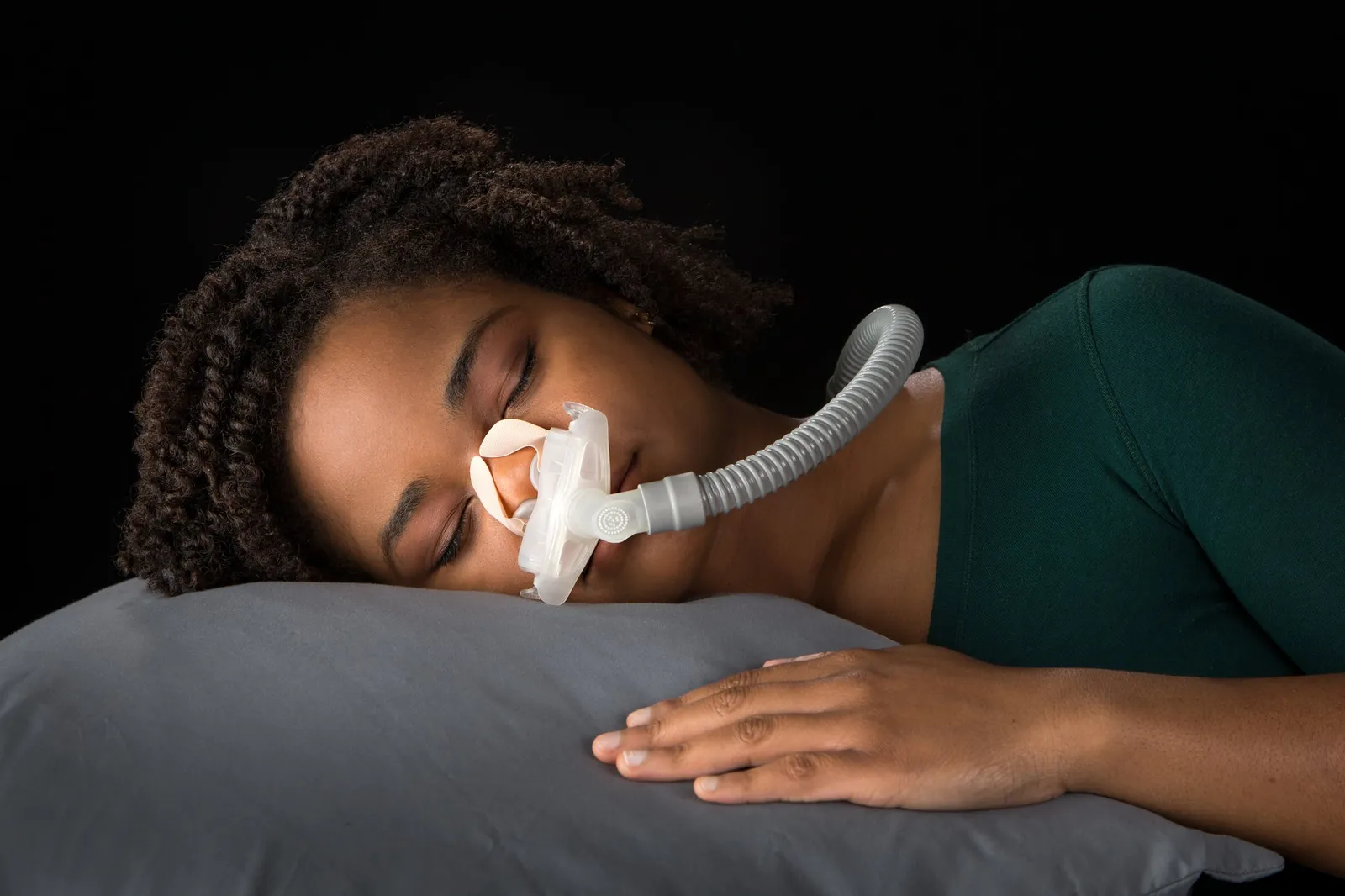
Nozeseal sells a patented adhesive strip that holds a CPAP nasal pillow against the nose and seals it there, so the mask stays in place without headgear or straps. The strip is latex free and made to fit many of the nasal pillow masks already on the market, and it is sold in supply packs and a trial pack through the company's own online shop and through Amazon. Its buyers are people treating sleep apnea with CPAP therapy, most of them in middle age or older, who usually arrive while looking for a way to stop mask leaks or the marks that straps leave on the face.
The company operates as a small direct-to-consumer business, with orders running through its own storefront and the Amazon listing rather than through a sales force. Around it, the CPAP accessory market is shaped by the mask manufacturers themselves, who sell their own headgear alongside their nasal pillows, while much of what reaches patients passes through durable medical equipment suppliers and prescriptions written against insurance codes rather than through retail shelves. Strapless alternatives had started to appear in that supply chain, so suppliers were becoming familiar with the idea while the category still had no default answer.
Challenge
Nozeseal makes an adhesive strip that secures and seals CPAP nasal pillows to the nose without headgear or straps. The product sold through the company's own website and Amazon, and the business wanted to reach more of the people who could benefit from it without a large marketing spend. Most of the routes open to it, paid advertising, retail shelves, supplier catalogs and insurance coverage, ran through gatekeepers a small team had not yet approached, and the strip sat in a category where people search for a fix to a comfort problem rather than for a product like this by name. The open questions were where new customers would come from, which partners and sales channels were realistic next steps, whether the product could ever become a covered item, and how the brand could show up consistently online.
How the team worked
The team opened with a background analysis and a first client meeting, then split the engagement into five workstreams that matched the objectives agreed with the client: no-cost sales growth, strategic partnerships, retail presence, social media, and Amazon optimization. Each consultant owned one workstream and worked from a shared master timeline that set weekly tasks against a fixed end date, with client meetings roughly every two weeks to report progress and refine direction.
Research combined desk work with direct inspection of the channels themselves: reading community rules before recommending participation, studying category listings and storefronts on Amazon, running the client's website and listing through SEO tools, reading retailer supplier requirements first-hand, and working through how insurance coverage is granted for CPAP equipment. Recommendations were filtered for cost throughout, so free and low-cost options came first and paid options were noted as later steps.
Where a workstream produced a long list, the team ranked it against stated criteria rather than presenting it flat. Prospective providers were ordered by whether they already carried a strapless option, by scale, by whether they surfaced on the comfort searches buyers actually make, and by how they take payment. Retailers were ordered by feasibility and product fit. Scheduling platforms were scored against a list of features the client had set out, which narrowed a wide field to two options.
The final deliverable was organized as a reference the business could return to rather than a report to read once, with step-by-step instructions, template letters, example posts and listings, a separate social media guide, and a cited source list behind each section. It was presented to the client at the close of the semester.
Workstreams
- Mapped the Facebook groups and Reddit communities where CPAP users gather, set out how the business could take part within each community's rules, and wrote a guide to hosting a Reddit AMA alongside YouTube recommendations covering thumbnails, hooks, calls to action, and the metrics to watch.
- Ranked durable medical equipment providers and CPAP manufacturers as prospective partners, drafted template outreach letters, outlined low-cost promotions such as FAQ content, leaflets, bundles, and trial packs, and described how affiliate links and QR codes could show which promotions produced sales.
- Reviewed how insurance coverage works for CPAP accessories, established that the strip's device class means it can be sold without pre-market approval while leaving classification to each insurer, and described two routes by which the product could become a covered item along with how it should be presented to carriers.
- Researched the supplier onboarding processes of national retailers, a warehouse club, and a retail discovery platform, then recommended an accelerator program and an ordered list of channels as the path toward physical shelves.
- Designed an introductory livestream with a suggested format, target audience, and promotional timeline, and built a social media guide with recommended platforms, content pillars, sample posts, and a comparison of scheduling tools.
- Wrote a step-by-step guide to setting up an Amazon storefront, optimizing the listing for search and the frequently-bought-together algorithm, improving website SEO, and growing reviews within Amazon's guidelines.
What the team found
- Every community where CPAP users gather set explicit rules on promotion, so a place in those conversations had to be earned through useful contribution and disclosure rather than bought.
- Providers already carrying a strapless option stood apart from the rest of the field: they had shown they will work with small suppliers and that they accept the category itself.
- Most nasal pillow manufacturers already sell their own headgear, so the ones with the least comfortable strapping had the most to gain from the strip while the largest names had the most reason to treat it as a rival.
- Because the strip sits in the lowest device risk class, it needs no pre-market approval to sell, which speeds distribution but leaves each insurer free to decide whether it counts as a medical product at all.
- Retailer entry requirements were more alike than expected, resting on sales history, business verification and product identifiers, which meant readiness rather than application effort was the real constraint.
- In the category's strongest listings, long titles, keyword-rich bullets and extended descriptions did the work, and the search terms people actually use describe the problem, marks and leaks and discomfort, not the product.
What the client received
- Written final deliverable covering all five workstreams, with sources cited section by section
- Online community participation guide for Facebook and Reddit, with a step-by-step Reddit AMA guide and example post
- YouTube lead-funnel recommendations covering thumbnails, hooks, calls to action, and the metrics to watch
- Prioritized partner list for providers and manufacturers, with template outreach letters for each
- Low-cost promotion plan with a method for tracking which promotions produce sales
- Insurance coverage overview setting out two routes to becoming a covered item
- Retail entry roadmap with an ordered list of channels and an accelerator program recommendation
- Livestream plan with format, target audience, and a before, during and after promotional timeline
- Social media guide with page setup, content pillars, sample posts, and a scheduling-tool comparison
- Amazon storefront, listing SEO, frequently-bought-together, and review-growth guide
Outcome
Nozeseal finished the engagement with a written playbook across five fronts: community and video marketing it can run at little cost, a prioritized partner list with ready-to-send outreach, a realistic sequence for approaching retail with an honest read on when to start, a social media system with a livestream plan and a recommended scheduling tool, and a clear set of changes to make to its Amazon listing and website. It also understands the two routes by which the strip could become a covered item, and has a way to tell which promotions are producing sales. Each section was written so a small team could act on it directly.
Recommendations
- Take part in the sleep apnea and CPAP groups where the audience already gathers, following each group's disclosure rules, and introduce the product through a hosted question and answer session led by clinical expertise rather than through advertising.
- Approach durable medical equipment providers first, beginning with those already carrying strapless options, reaching the purchasing contact directly, and offering a sample to try before asking for a place in the catalog.
- Treat nasal pillow manufacturers as a second tier and focus on those whose own strapping is the weakest fit, where the strip reads as an addition to their mask rather than a challenge to it.
- Pursue insurance coverage on two tracks, a prescription written against the code already used for a comparable strapless item or a direct supplier application to the largest carriers, and present the strip as better therapy rather than as a more comfortable option.
- Hold off on retailer applications until the business is retail ready, and use an accelerator program plus a supplier discovery storefront to build that readiness while staying visible to buyers in the meantime.
- Rewrite the Amazon listing around the broader language people use for nasal pillows before chasing a place in the frequently-bought-together space, since that placement follows traffic, conversions and account health.
Next steps
- The client was handed a prioritized list of prospective providers and manufacturers with template outreach letters, guidance on which role to address at each company, and a fallback route when no contact can be found.
- The client was handed a step-by-step Amazon storefront build, a rewritten listing with an example title and description, and a review-growth plan written to stay inside the platform's guidelines.
- The client was handed a livestream plan covering format, target audience, and a promotional timeline for before, during and after the event, together with a sample follow-up email.
- The client was handed a separate social media guide with page setup instructions, content pillars, sample posts, and a comparison of scheduling platforms narrowed to two recommended options.
- The client was handed a way to track which promotions produce sales, built on affiliate links and printed QR codes, so each channel can be judged on what it returns before more effort goes into it.
The team
- Antonio Harris, project lead
- Amaya Vyas
- Phillip Harnisch
- Ronit Yawalkar
- Sahithi Vemuri
- Zachary McClarnon