Context
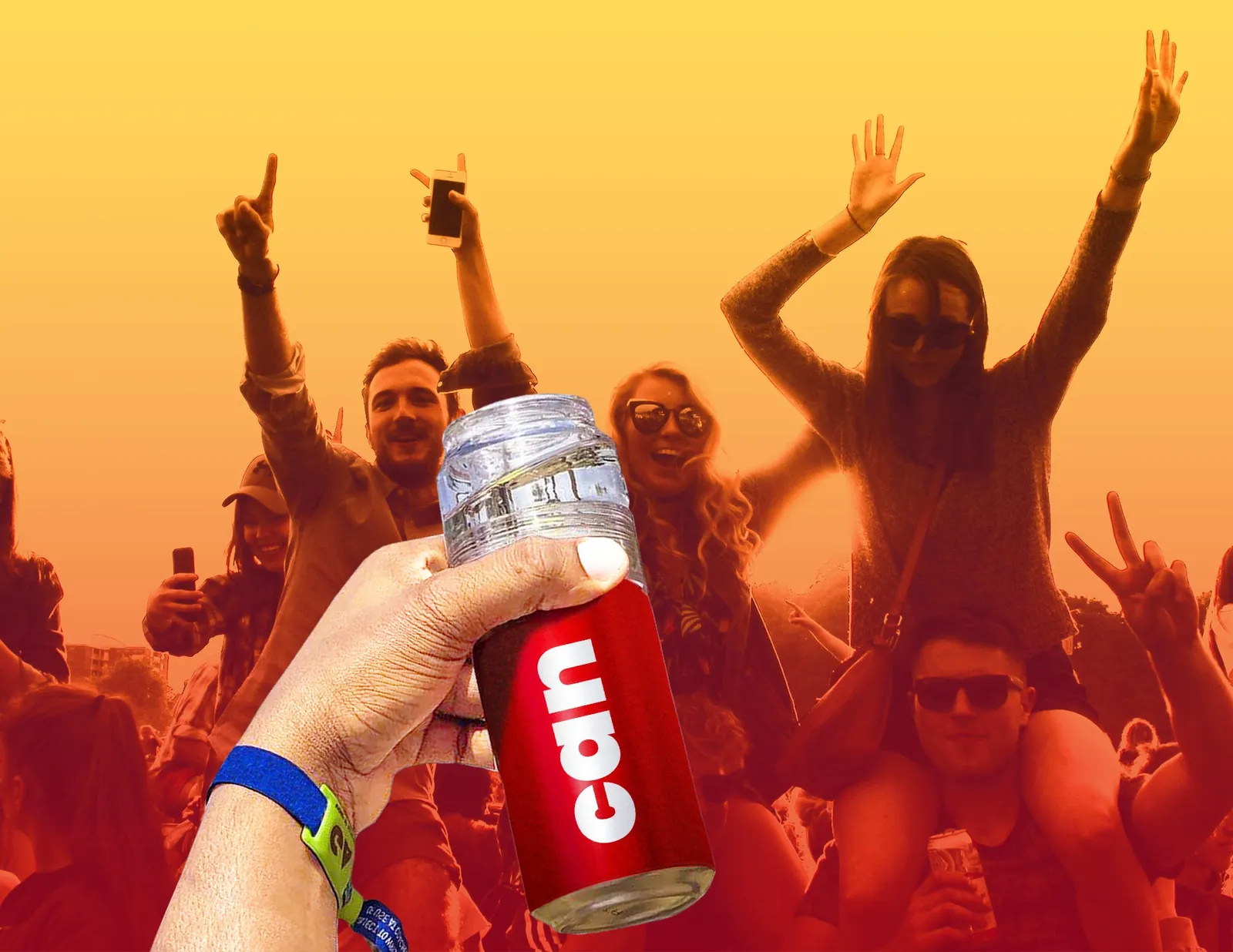
Mix it Fresh makes a reusable handheld drink mixer that clips onto a standard can. The drinker sets how much spirit goes into the soda by tilting the can, so a mixed drink is made in the hand rather than poured at a bar. The container is built to be refilled, cleaned, and carried, and the business sold it directly to consumers through its own online store, alongside customized versions tied to a Texas college audience.
The business sat inside the bar and drink accessories category, which was being reshaped at the time by home bartending, cocktail culture, ready to drink formats, and a growing preference for reusable and personalized barware. Buyers in that category increasingly discovered and bought products inside social platforms rather than on a brand's own site, which put a premium on visible reviews, a consistent feed, and being present where people already shop.
Challenge
Mix it Fresh sells a handheld mixer that attaches to a standard can and lets the drinker set the ratio of spirit to soda with a tilt of the hand. The product was distinctive and the container reusable, but the business was selling mainly through its own online store and wanted to reach more people. The team was asked to work out who the product was really for, how to reach and keep those customers, and how to make the product, packaging, and distribution ready for a larger audience. Orders were still arriving in small batches, there was little written customer feedback to learn from or show to a new buyer, and the channels the product was listed in had been added one at a time rather than chosen. The open questions were where a mixer like this fits in the bar and drink accessories category, whether the product itself was ready for a bigger run, and what the business should do first.
How the team worked
The team worked across a nine week term, running parallel tracks rather than one sequence: customer feedback and retention, target market and pricing analysis, partnerships and social media, and packaging and distribution. A shared weekly timeline set what each track owed by which week, and client meetings roughly every two weeks kept the tracks grounded in what the business was ready to act on. The closing weeks were reserved for consolidating everything into a single written report and a slide deck.
Each track started from evidence rather than opinion. The team ran user tests on the existing mixer before proposing any design change, reviewed the online store and the channels the product was already listed in before recommending which to keep, and read the bar and drink accessories category, cocktail trends, and drinking habits by age and income before naming a target market. Packaging prototypes were surveyed with users before the mockups were finalized.
Recommendations were written so the business could act on them directly. The team named specific tools for email automation and review collection, wrote a checklist of criteria for choosing a logistics partner and then applied it to produce a shortlist, drafted outreach templates for event companies and for creators, and built packaging mockups and a before-and-after sample social feed so the client could see the recommendation rather than only read it.
The final week pulled the tracks together into one document organized in the order the client could work through it: gather feedback first, then keep the customers that feedback comes from, then fix the product and its packaging, then open new channels and partnerships. The slide deck presented the same sequence in short form for the closing client meeting.
Workstreams
- Built a customer feedback and retention plan covering a public review platform, post-purchase and welcome emails, automated review requests, product sampling partners, a mailing list, and a referral program.
- Tested the existing mixer with users and proposed a simplified two-part redesign with a removable lid and magnetic slider, then paired it with packaging material, unboxing, and label recommendations and a set of packaging mockups.
- Developed a bulk-selling approach for corporate events, including a partner program for event planning companies, a dedicated website section, a step-by-step outreach sequence, and a sample pitch message.
- Reviewed distribution end to end, recommending social media shops and an Amazon storefront, pruning channels that did not fit the brand, and shortlisting third-party logistics providers against a written set of criteria.
- Mapped partnership and social media strategy: business collaborations, micro-influencer outreach with a message template, posting objectives, content pillars, and a before-and-after sample Instagram feed.
- Analyzed the bar and wine accessories market, cocktail trends, and drinking habits by age and income to recommend a core target market, and reviewed price sensitivity and psychological pricing tactics.
What the team found
- Written reviews and follow-up email worked as a pair rather than separately: requests sent after a purchase produced most of the review content, and a public review page gave that content somewhere to live.
- Sending free product to people who agree to review it produced longer and more detailed write-ups than asking existing buyers alone, which made sampling the faster route to a first body of review content.
- User testing pointed the redesign toward fewer parts: the mixer was most satisfying when filling, sealing, drinking, and cleaning each took one obvious action rather than several.
- Corporate and event buyers behaved unlike individual shoppers, ordering in blocks, valuing branding on the container itself, and returning on a repeating calendar of events.
- The distribution channels that fit the brand were the ones where browsing and buying happen in the same place, while channels built around selling spirits or campus goods sat awkwardly beside a reusable accessory.
- Across the category, the patterns most relevant to this product were home bartending, personalization, reusable materials, and designs that read as both novel and practical.
What the client received
- Final written deliverable covering customer feedback, retention, product redesign, bulk selling, packaging, distribution, partnerships, social media, target market, and pricing
- Final presentation deck summarizing each track for the closing client meeting
- Product redesign concept: a single-piece body with a removable lid, sealed slider, and rolled drinking lip
- Packaging mockups in several concepts, with material, unboxing, and label recommendations
- Event-partner program outline, outreach sequence, and sample pitch message for corporate buyers
- Micro-influencer outreach template and a set of criteria for choosing creators
- Social media objectives, content pillars, and a before-and-after sample Instagram feed
- Third-party logistics selection criteria and a shortlist of providers scored against them
- Customer feedback and retention plan covering reviews, post-purchase email, sampling, a mailing list, and a referral program
- Target market recommendation and a review of price sensitivity and psychological pricing tactics
Outcome
Mix it Fresh finished the engagement with a clear picture of its core customer, a product redesign and packaging concept to test, a defined route into corporate and event sales, and a distribution setup it could grow into. The feedback, retention, and social media playbooks gave the business a sequence it could follow as orders picked up, and a way to turn early buyers into written reviews that a new shopper can read. The business also came away able to judge a new sales channel or a logistics partner against written criteria rather than case by case.
Recommendations
- Gather customer feedback in one visible place: open an account on a public review platform, display those reviews on the store, and ask for them by personalized post-purchase email a week or so after delivery.
- Run a sampling campaign through a fulfillment partner to build a first set of written reviews, then hold onto those buyers with a mailing list, welcome and cart recovery emails, seasonal offers, and a referral program.
- Build and test the two-part redesign, a single-piece body with a removable lid, sealed magnetic slider, and rolled drinking lip, with target customers before committing to a production run.
- Open a corporate and events route: a dedicated page for bulk buyers, a partner program for event planning companies offering training, customization, and promotional materials, and a repeatable outreach sequence.
- Move packaging to paper or cardboard, design the unboxing as a deliberate reveal, and rewrite the label around reusability, practicality, and plain instructions for use.
- Concentrate distribution on shops inside the social platforms and a marketplace storefront, retire channels that do not fit the brand, and hand picking, packing, and shipping to a third-party logistics partner chosen against written criteria.
Next steps
- The client was handed a step-by-step outreach sequence for event planning companies, from targeted message through follow-up, meetings, negotiated terms, and keeping the relationship after the first order.
- The client was handed a written set of criteria for selecting a third-party logistics partner, along with a shortlist of providers already assessed against those criteria.
- The client was handed packaging mockups and product redesign sketches to carry into user testing before any production run is committed.
- The client was handed a before-and-after sample social feed, a set of content pillars, and message templates for approaching creators and corporate buyers.
The team
- Noah Vega, project lead
- Bhushan Ramesh
- Hadi Tameez
- Ronit Yawalkar
- Sahithi Vemuri