Context
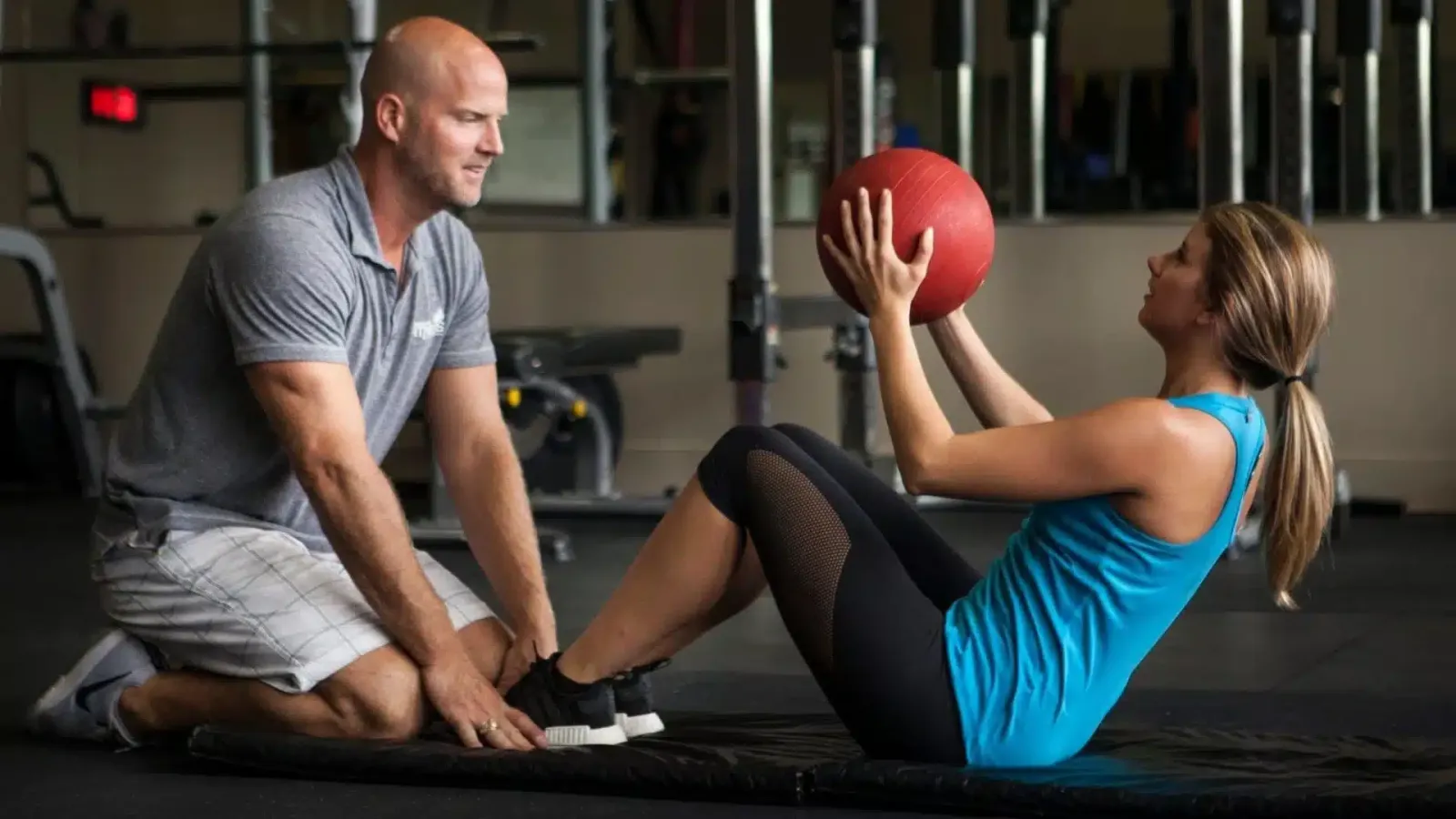
Innovative Fitness is a small, locally owned gym in the Bryan/College Station area of Texas. It sells memberships and individual class sign-ups, and its floor covers strength and cardio training, a range of class styles including yoga and pole, semi-private and personal training, community group events, and massage therapy. Rather than building around one discipline, the gym positions itself on the variety of ways a member can train and on the camaraderie of the room, and it sets its own brand position against a handful of other fitness businesses in the same area.
The engagement ran in the fall of 2020, when the pandemic was still shaping whether people were willing to walk into a gym at all, and in a college town where a large share of the adult population already has a low-cost place to work out. Both conditions bore directly on the questions the gym brought to TASK: what a membership in this market is worth, and which people in the community are realistically available to sell it to.
Challenge
Innovative Fitness is an independent gym in Bryan/College Station offering a mix of class styles, semi-private and personal training, group events, and massage therapy. The gym wanted to grow its paying membership, but it was unclear whether its membership pricing and packages matched what the local market valued, or which customers it should be pursuing, at a time when the pandemic had changed how people thought about visiting a gym. The gym described its own target as younger adults in a modest income band, and ran a free trial offer meant to turn first visits into longer commitments, so it also wanted a way to stay engaged with members once they signed up. Three questions framed the work: where customers find value, how to keep them coming back, and how to draw in new business.
How the team worked
The team started with a background memo that captured the gym's offerings, its own view of its competitors, its existing revenue streams, and the external pressures it faced, then wrote a planning memo that broke the work into three tracks: value chain and pricing, customer relationship management, and marketing. Each track carried its own components, from pricing analysis to segmentation to brand and channel work. A proposal presentation set out the method for the client: survey the market by email, run pricing, segmentation, and value analysis, and return with action items the gym could put to use, with a target completion date before the end of the term.
Survey design was built around a five to seven minute completion time so that the instrument could carry pricing, segmentation, and value questions at once. The pricing block followed the Van Westendorp method, asking respondents at what price a membership would seem too cheap to trust, a bargain, expensive, and too expensive. A second block presented tiered membership packages that combined classes, group events, training, and amenities at rising price points, so the team could see which combinations felt acceptable and which did not. Earlier questions established how people felt about fitness, how often they trained, where they trained, and what they were training for.
Once the survey closed, the team read the results against the gym's stated target market. The pricing responses were reduced to the standard Van Westendorp thresholds to give an acceptable range and a floor. The reasons people gave for exercising, and the reasons non-members gave for staying out of a gym, were used to separate what the gym could change from what it could not. The conjoint model could not be run reliably on the data collected and the segmentation variables came back incomplete, so the team said so plainly and treated the package and segment results as directional rather than settled.
The marketing track was written to fit what a small gym can do without a media budget. It concentrated on organic social media and word of mouth through the gym's own trainers, and it came with an Instagram guide covering consistent post design, quality shot on a phone, monthly giveaways tied to follows and tags, longer video through Reels and IGTV, and reposting content members tag the gym in. The guidance closed by naming which channels to work and which to let go.
Workstreams
- Documented the gym's offerings, positioning, revenue streams, and local competitive context in a background memo, and scoped the engagement around three questions: where customers find value, how to keep them coming back, and how to draw in new business.
- Wrote a planning memo that split the work into a value chain and pricing track, a customer relationship track, and a marketing track, each with its own components and owners.
- Designed and fielded an email survey covering fitness attitudes, gym attendance, reasons for exercising, feature importance, price sensitivity, and reactions to tiered membership packages.
- Ran a Van Westendorp price-sensitivity analysis to establish the range of monthly membership prices the market would accept, and tested how respondents valued classes, group events, training sessions, and amenities once they were bundled into packages.
- Analyzed why non-members were staying out of a gym and which groups placed the most importance on fitness, and reported the package and segment results as directional after the conjoint model proved unreliable.
- Developed organic marketing recommendations, including an Instagram promotion guide with content, giveaway, and video tactics, and guidance on which channels to focus on and which to retire.
What the team found
- Most people in the potential market described fitness as moderately or highly important to them, yet most of them did not belong to any gym in the local area.
- Members came for results first, weight and health before functional training, and rated social events and amenities well below both.
- The gyms members actually used sat largely outside the set the client had named as its closest competitors, so the real competitive field was wider than assumed.
- Cost and the availability of a low-cost place to work out explained much of why people stayed out of a gym, with pandemic concerns appearing alongside them.
- Reactions to the tiered packages grew less favorable as the bundles added amenities, pointing to classes and functional training rather than extras as the draw.
- Most people who were not already members showed no interest in joining a gym at all, which made careful targeting more useful than broad outreach.
What the client received
- Background memo on the gym's offerings, positioning, revenue streams, and market context
- Planning memo scoping the pricing, customer relationship, and marketing workstreams
- Proposal presentation setting out method, timeline, and survey incentive options
- Van Westendorp method note setting out the pricing questions and the package matrix
- Survey question set covering attitudes, attendance, feature importance, and pricing
- Full survey results report from the fielded instrument
- Van Westendorp price-sensitivity analysis with an acceptable range and a floor
- Analysis and final recommendations on pricing, target segment, and messaging
- Instagram promotion guide covering content, giveaways, video, and channel focus
Outcome
Innovative Fitness came away with a defined range of monthly membership pricing the local market accepts, a case for offering fewer and simpler membership options, and evidence about which features people actually weigh when they choose a gym. It also had a clear recommendation to move its marketing away from students and toward working professionals, parents, and other adults in the community, with messaging built around fitness and functional training rather than amenities, plus a practical playbook for organic promotion on Instagram and Facebook.
Recommendations
- Innovative Fitness could bring membership pricing inside the range the analysis showed the market accepts, keeping it above the floor where buyers start to question quality.
- The gym could cut the number of membership options it lists, so that choosing between them is a simpler decision for someone deciding whether to join.
- Marketing could be redirected away from students, who have a low-cost option of their own, and toward working professionals, parents, and other adults in the community.
- Messaging on social media and elsewhere could speak to that older audience about getting fit, staying fit, and functional training, rather than leading with amenities.
- Growth could come through organic social media and a word of mouth effort built around the gym's own trainers, with promotional video shot simply on a phone.
- Effort could be concentrated on the platforms that reach the target audience, with unused accounts retired and part time help brought in to keep posting consistent.
Next steps
- The client was handed an Instagram promotion guide covering consistent post design, monthly giveaways, Reels and IGTV video, and reposting, with example accounts to study.
- The client was handed guidance to concentrate on one or two platforms and post to them daily, rather than keeping accounts it was not working.
- The client was handed a suggestion to bring on part time help through a local student hiring board to run posting and set a basic social plan.
- The client was handed the full survey results and the pricing analysis, along with a note that the package questions would need to be re-fielded before the results are treated as settled.
The team
- Chris Scoggins
- Jacqueline Gold
- Rachel Maciariello
- Reagan Kinly
- Ricardo Ramos