Context
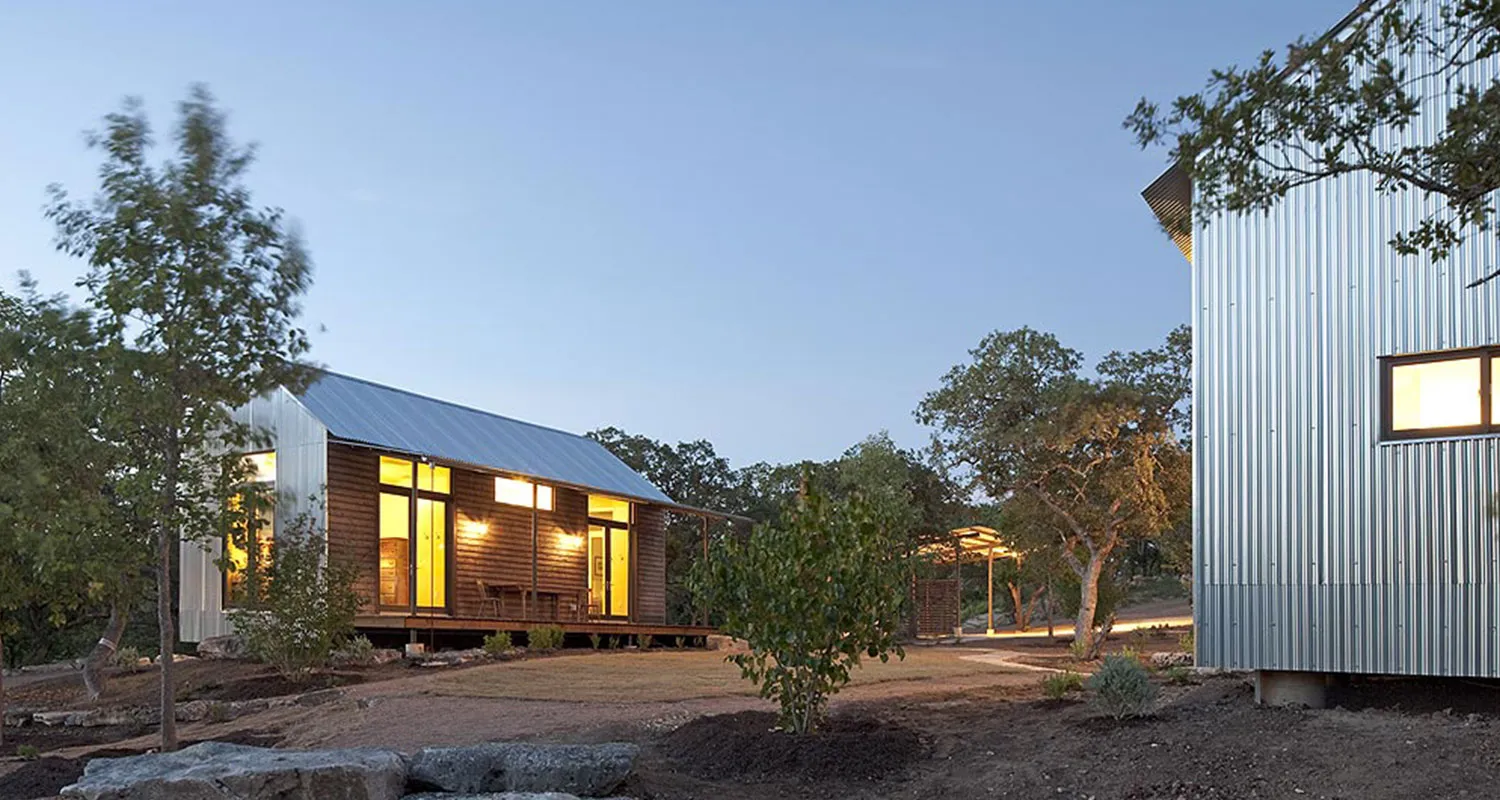
GroundForce makes modular buildings that sit on portable precast concrete slabs rather than on a trailer chassis, which lets a finished structure be relocated, reconfigured, or expanded later. The product line runs from residential homes to portable classrooms and other custom modules, and the company markets it around the idea of making permanent space portable, with insulated steel panels, hurricane-ready construction, and a lease option that lets a buyer return a building that does not suit them. It sells both to individual buyers and to organizations that need space on a schedule, most visibly school districts planning around enrollment and aging portable classrooms.
The market around it was moving. Modular construction was drawing steady press attention as a possible answer to housing cost and supply pressure, and architects and researchers were making the case for factory-built standardization in public. That coverage raised the profile of the category without settling what it is, so a business selling into it had to compete for attention while also teaching buyers the difference between modular, manufactured, and mobile construction.
Challenge
GroundForce builds modular structures on portable precast concrete slabs, so a building can be expanded, modified, or moved to a new site over time. Many prospective buyers had never heard of modular construction, and those who had often filed it alongside manufactured and mobile homes. That left the business explaining what it was before it could explain why it was worth buying, and the confusion reached into practical questions about structure, weather, customization, building codes, financing, and resale. GroundForce also served two very different audiences, residential buyers and organizations that need space quickly, each arriving with its own worries and its own timeline. The business wanted to know what each audience understood and misunderstood, and how to educate and engage them early, before opinions hardened.
How the team worked
The engagement followed the three parts of the scope, and the team split the work across research, brand, marketing, and educational content so each strand could go deep before they were joined. Research came first: a survey and follow-up interviews measured how familiar people were with modular housing and surfaced recurring concerns about structure, design, financing, and long-term value, while a parallel review of housing forums, search queries, and press coverage explained where those concerns came from and what words buyers used for them.
Because the same objection kept appearing in different forms, the team worked backward from the misconception to the message. Each recurring doubt was matched to the fact that answers it, then to the format most likely to land: a side-by-side comparison for confusion between building types, a diagram for foundation questions, a plain-language answer for code and financing questions. The team also read the client's own brochure and education page against how other modular providers explain themselves, which set the bar for what the new materials had to do better.
The research then became personas and a segmented messaging strategy. Each audience was paired with what it cares about, what makes it hesitate, the platforms it actually uses, and the content type most likely to build trust, and the four content pillars of education, process, projects, and people gave the client a repeatable way to plan posts. Education was treated as the first stage of the funnel, with clarity before persuasion.
Finally, TASK drafted the materials themselves, from a modular versus manufactured comparison sheet and an FAQ organized by structure, financing, logistics, and perception, to video outlines, outreach email templates, and social posts written in each persona's voice. Everything was sequenced into a phased rollout so GroundForce could begin with its website and email list and scale into walkthrough events, campus sessions, and paid media as capacity allowed.
Workstreams
- Surveyed and interviewed consumers to map awareness, perceptions, and common concerns about modular housing compared with site-built and manufactured homes.
- Reviewed public forums, search behavior, and media coverage to trace the root misconceptions behind hesitation and the language buyers use for them.
- Audited the existing website, brochure, and education page alongside how other modular providers explain their product, and noted where explanation stopped short.
- Defined buyer personas across workforce housing, rural employers, franchise operators, seasonal businesses, and first-time buyers, with motivations, barriers, and decision timelines.
- Built a messaging framework, content pillars, brand kit, and content planner aligned to each stage of the buyer's journey.
- Recommended platforms, channels, partnerships, and a paid-media mix by segment, and outlined educational materials and a phased rollout timeline.
What the team found
- Awareness was shallow rather than absent: many people recognized the term modular housing but could not say what it meant or how such a building is put together.
- The most common confusion collapsed modular, manufactured, and mobile housing into a single category, and the reputation of that category traveled with it.
- Speed was read as corner cutting rather than as factory control, so claims about faster construction had to explain why they are faster, not simply state that they are.
- Financing and regulation were persistent sources of doubt, with buyers unsure whether lenders and building codes treat modular buildings the same way as site-built ones.
- Openness varied by audience: younger buyers worried more about design sameness and social perception, while older ones were readier to treat modular as a modern option.
- Across every segment, modular was seen as an alternative to traditional construction rather than a replacement for it, which pointed education toward complementing the familiar rather than displacing it.
What the client received
- Survey and interview findings on consumer perceptions of modular housing
- Misconception map drawn from public forums, search behavior, and media coverage
- Review of the existing brochure and education page with specific improvements
- Buyer personas with motivations, barriers, and decision timelines
- Segmented messaging framework and four content pillars by funnel stage
- Brand kit, template system, posting cadence, and sample content calendar
- Platform, channel, and partnership recommendations with a paid-media mix
- Proposed marketing team structure with responsibilities and priority order
- Educational content outlines: comparison sheet, FAQ, video scripts, outreach emails, and social posts
- Phased rollout and implementation timeline
Outcome
GroundForce now has a clear picture of where confusion about modular construction comes from, a set of prioritized audiences with messaging tailored to each, and a phased plan for education and marketing it can start from its own website and email list. The business can tell which questions to answer first, which channels reach which buyer, and which content belongs at each stage of the decision. The team's positioning framed GroundForce as a high-quality, modern, customizable option rather than a compromise, giving the business a narrative to own before others define it.
Recommendations
- Run a two-track strategy: education campaigns that close the confusion gap, paired with segmented marketing tailored to each audience.
- Own the narrative early by reaching buyers while they are still researching, before preferences form and before others define what modular means.
- Position the business as a credible, modern option rather than a budget one, leading with quality, speed, and customization instead of price alone.
- Separate modular from manufactured housing explicitly at every touchpoint, and support the distinction with code compliance, certifications, and real project stories.
- Match channels to audiences: short-form video and social for younger residential buyers, search for high-intent queries, and professional networks and partnerships for organizational buyers.
- Build marketing capability in priority order, starting with content production before adding distribution and, later, strategy oversight.
Next steps
- The client was handed a phased action plan moving from research and messaging groundwork into a segmented marketing launch and then an education hub and video library.
- The client was handed a rollout timeline for educational content, sequencing the comparison sheet and FAQ onto the website first, then filming and segmented outreach, then in-person walkthroughs.
- The client was handed drafted outreach emails for inquiries, cold education, and past clients, along with guidance on building contact lists from events rather than cold sourcing.
- The client was handed a brand kit, template system, posting cadence, and sample content calendar so the plan could be run without starting each post from scratch.
The team
- Aliza Abidi, project lead, Target demographics for modular housing buyers
- Ankith Allampally, Current market research on consumer perceptions of modular building
- Madelyn Jaynes, Marketing platforms, channels and advertising budget
- Nitya Batchu, Branding and messaging strategy by audience segment
- Riva Pradhan, Educational Material Development
- Tulsi Rampalli, executive