Context
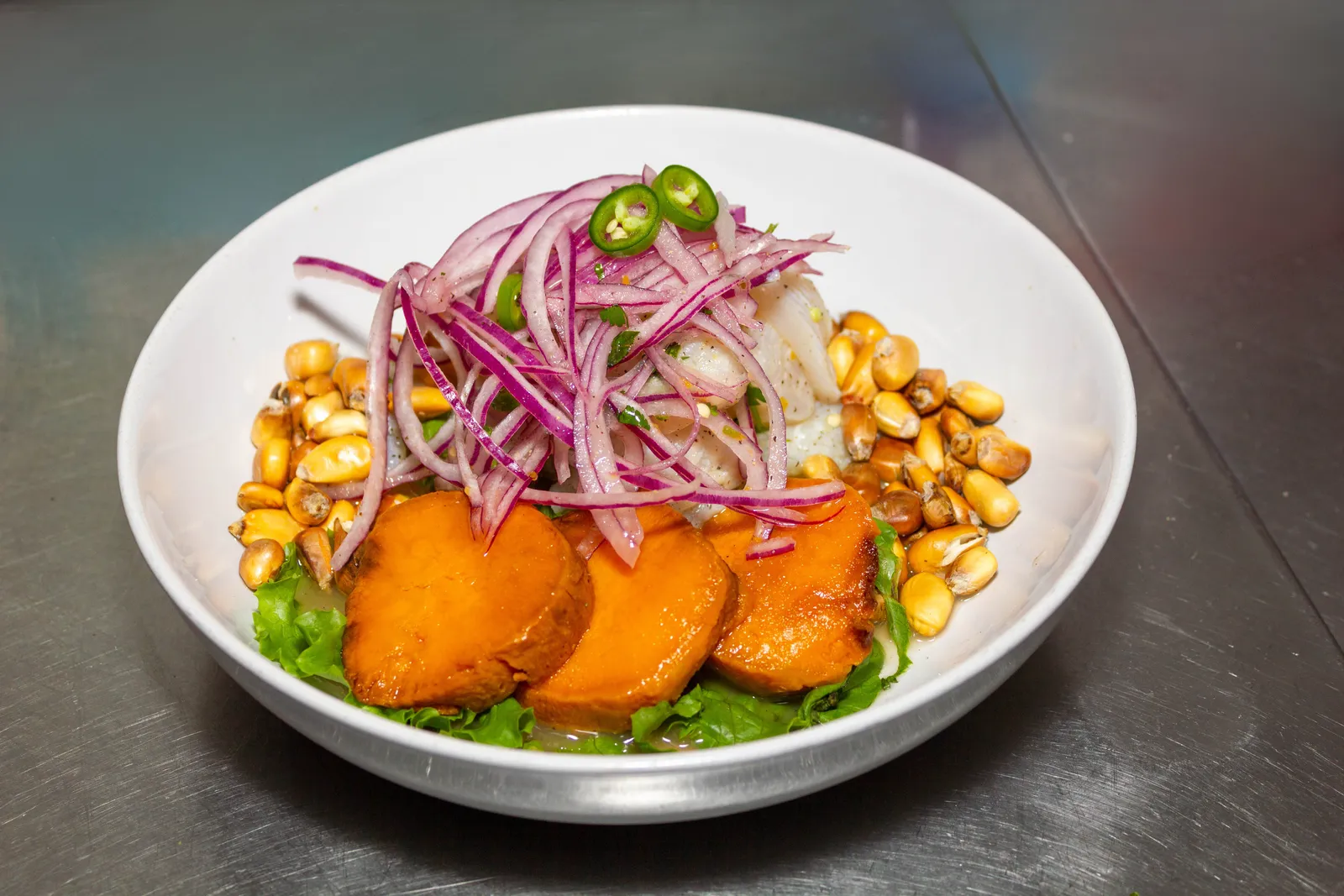
FusionPeru is a Peruvian restaurant in College Station, Texas. It started as a food truck built around bringing Peruvian home cooking, and its house salsas in particular, to a Texas college town, and later added a storefront on the main commercial road south of campus while keeping the truck running alongside it. The kitchen is family run, and the food and the way guests are received are treated as parts of the same thing.
Its trade came mostly from locals who already knew the place, with a large student and university population nearby that had not yet found it. The restaurant was rebuilding its dining room business after the stretch when restaurants everywhere leaned on takeout, and more of the choosing was happening online: people looked up a menu, hours, and a phone number before deciding where to eat. FusionPeru met that search through its social pages rather than a site of its own.
Challenge
FusionPeru brought Peruvian cooking to College Station, first from a food truck and then from a restaurant. The business was well known among locals and wanted more people to discover it, but it had no website, so anyone searching online found no reliable menu, no hours, and no catering contact. The name and the logo were not yet trademarked, the books were kept on paper, and the owner wanted to spend less of each week on the restaurant floor without changing what regulars came back for. FusionPeru asked TASK how to expand its reach, sharpen its marketing, and put structures in place that would let the business grow, and added a specific question about whether to keep table service or move to ordering at the counter.
How the team worked
The team began with the owner's own list of needs and turned it into a ranked plan: website, marketing, trademark, organizational structure, then financials. Each item was researched separately and written up as a short recommendation the owner could act on without further consulting help, and the ranking itself became the spine of the final document.
Because the owner had asked for specific things, most of the work was practical. The team compared the leading website builders on pricing, ease of use, and ongoing upkeep, then built a demo site so the recommendation could be seen rather than described. The loyalty card and the student flier were drafted in a design tool and handed over as editable files. The trademark route was walked end to end, from the state application form through notarizing it and mailing it in.
For the operating questions the team worked from what the owner described about a week in the restaurant. Roles were mapped across both the restaurant and the food truck, shift length and overlap were reconsidered, and an operations manual was proposed for the hours when the owners are not on site. On the ordering question the team gathered informal feedback from the college market and compared counter service against table service on the kind of meal each one produces.
The final deliverable was written in English and translated into Spanish so either version could be used with the same confidence. It closed with an implementation order, website first, trademarks next while they process, then marketing, with the remaining items left to the owner's discretion, and the team presented the plan to the client in a closing meeting.
Workstreams
- Compared website builders on pricing, ease of use, and upkeep, recommended a platform and plan, and built a demo site so customers could find the menu, hours, and catering contact online.
- Designed a punch-style loyalty card to encourage repeat visits and a student-ID discount flier aimed at the college market, for use in print and on social media.
- Researched state and federal trademark routes and laid out the filing process for registering both the restaurant's name and its logo.
- Proposed a staffing structure for the restaurant and the food truck, with shorter shifts, hiring channels, and an operations manual for when the owners are not on site.
- Recommended moving bookkeeping from paper records into accounting software and using the existing point-of-sale data to analyze menu performance.
- Compared counter ordering with traditional table service, gathered informal customer feedback, and recommended table service to preserve the restaurant's family dining feel.
What the team found
- Comparing the main website builders showed they differed less in what they could display than in how easily an owner could keep the site current without outside help.
- Research on how people choose a local restaurant showed that a site of the business's own reads as more credible than social pages alone, and that most of that looking now happens on a phone.
- The trademark review showed that a state registration suits a business held within one state better than a federal one, and that the name and the logo count as two separate marks.
- Mapping the working week showed that busy and quiet hours were covered the same way, which made shift length, rather than staffing alone, the lever most available to the owner.
- The point-of-sale system already in place was holding the ordering history needed to compare menu items, a use it had been set up for taking payments rather than reading.
- Informal feedback from the college market showed that counter ordering reads as fast food while table service reads as a family meal, which is closer to what the restaurant is known for.
What the client received
- Written final deliverable in English and Spanish
- Website platform comparison across pricing, ease of use, and upkeep
- Demo site showing the menu, hours, location, and catering contact
- Loyalty punch card and student discount flier designs in editable files
- State trademark filing guide with both application forms and the notarizing and mailing steps
- Proposed staffing structure for the restaurant and the food truck, with shift and hiring notes
- Operations manual outline for hours when the owners are not on site
- Bookkeeping and ordering-system recommendations built on the point-of-sale data already collected
- Prioritized implementation timeline
- Final presentation to the client
Outcome
FusionPeru left the engagement with a prioritized, step-by-step guide: build the website first, file the trademarks while they process, then roll out the loyalty card and student flier to bring new customers through the door. The staffing structure, the operations manual, and the bookkeeping recommendations gave the owner a path to step back from the floor without lowering the quality of the dining experience, and the guide was left in both English and Spanish so it could be used and shared without translation.
Recommendations
- Build the website first, on a builder the owner can update without help, and put the menu, hours, location, and a catering contact where a customer searching online will meet them.
- Once the site is live, use a punch-style loyalty card to reward repeat visits and a student-ID discount flier, in print and on social media, to reach the college market next door.
- File two state trademark applications, one for the name and one for the logo, notarize them, and file soon so the priority date starts running while other work continues.
- Restructure roles across the restaurant and the food truck, shorten shifts, hire through job boards and fliers, and write an operations manual so the floor runs the same way when the owners are away.
- Move the books off paper into accounting software and read the point-of-sale history for menu performance, so slower dishes can make room for new ones.
- Keep table service to protect the family dining feel the restaurant is known for, while leaving room to test counter ordering if the trade ever calls for it.
Next steps
- The client was handed the written guide in English and Spanish, with each recommendation short enough to act on without further consulting help.
- The client was handed an implementation order: website first, trademark filings next while they process, then the loyalty card and student flier, with the rest left to the owner's discretion.
- The client was handed the demo site along with the platform comparison behind it, so the recommended plan could be adopted or reconsidered on its own terms.
- The client was handed the two state trademark forms and the filing sequence, from completing them through notarizing and mailing them in.
- The client was handed the loyalty card and student flier designs as editable files, ready for print or for posting to the restaurant's social pages.
The team
- Anthony Szeto, project lead
- Clifford Moshay
- Kenneth Dang
- Ronit Yawalkar
- Simran Sethi