Context
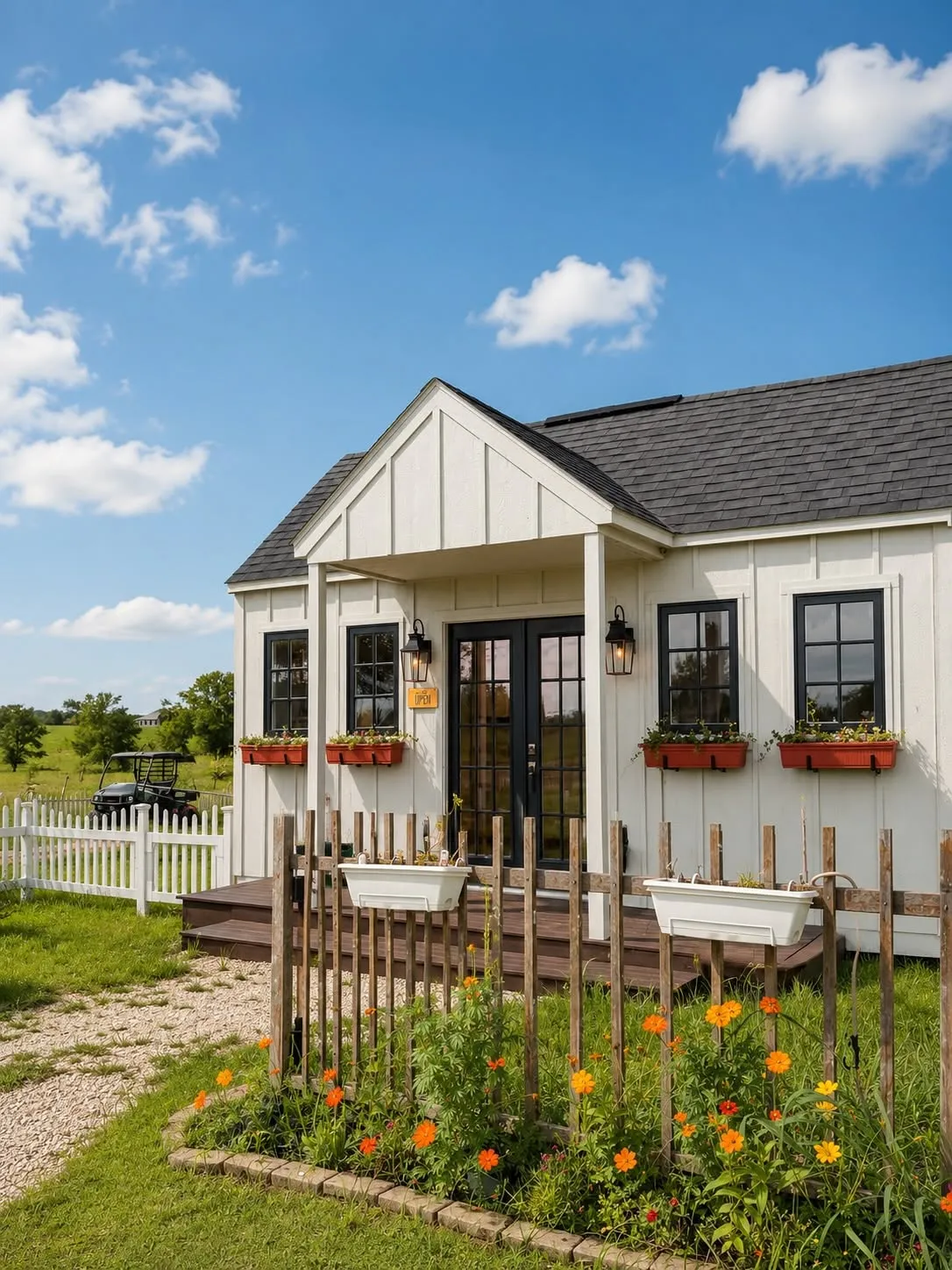
Bella Vista Farm is a family-run flower and honey farm in Brenham, Texas, established in 2022. It grows cut flowers, keeps bees for local honey, and makes handcrafted goods including botanical art, beeswax candles, and jewelry. Most of what it grows and makes reaches customers two ways: a self-serve stand on the farm, which runs on an honor system, and a rotation of regional farmers markets and seasonal festivals across the Brazos Valley and nearby towns.
By the spring of the engagement the farm was adding to what it could offer on site. A horse trailer was being remodeled into a mobile flower bar available for events, and a greenhouse classroom was planned for workshops on the farm. Fresh flowers remained a spring-to-fall product, which left the winter months leaning on honey and handmade goods, and the farm was weighing whether to sell beyond its own customers to florists, event organizers, and hospitality venues.
Challenge
Bella Vista Farm sells cut flowers, honey, botanical art, and other local goods through a self-serve farm stand and regional farmers markets, and wanted the stand to run as a dependable source of income rather than a seasonal one. Returning to TASK for a second engagement, the farm asked how to budget for new projects like a trailer flower bar and greenhouse classes, whether a profit-first approach to cash would fit a business whose sales rise and fall with the growing season, where its honey and flower prices sat against comparable farms, and how to keep the stand busy through the winter months when fresh flowers are not available. The farm also wanted a clearer view of which markets and partners were worth its time, and of what the website and social accounts were telling first-time visitors.
How the team worked
The team split the work into four workstreams: an enterprise budget, a Profit First implementation, a farm stand revenue roadmap, and a pricing tool with competitor research. Work opened with a visit to the farm in the first week of the term, followed by a review of the accounting exports and the sales history the owner provided. A mid-semester client meeting let the team check each workstream against what the owner found most useful and revise the scope before the final push.
Financial work stayed close to the farm's own records. Expenses and revenue were pulled together by month and by product line, cost per unit was worked out from total expenses against units sold, and seasonal peaks and troughs were identified from several years of sales history. The Profit First workstream tested the method against those monthly results before recommending anything, so the starting percentage and the account structure were sized to what the farm had actually earned rather than to a textbook example.
Market-facing work was built on direct contact and page-by-page review. The team called and emailed florists, event organizers, hotels, and interior designers with a common set of questions about sourcing, seasonality, and partnership interest, and it compared honey and flower prices against comparable farms found through the same research. The website and Instagram were reviewed section by section against what a first-time visitor would need to know.
Every recommendation was then sequenced into a single implementation timeline running from the summer after the engagement through the following winter, grouped by quarter and by category, so that budget, pricing, product, event, and website actions could be worked in the order the season allowed. The tools were built so the owner could keep using them without the team.
Workstreams
- Compiled revenue, expense, payroll, and infrastructure data into an interactive budget dashboard the farm can update itself.
- Calculated cost per unit, reviewed ongoing and one-time costs, compared seed vendors, and identified places to consolidate services and buy in bulk.
- Tested the feasibility of a Profit First cash-management system against monthly results, recommended a starting profit percentage and account structure, and built a spreadsheet calculator to run it.
- Benchmarked honey and flower prices against comparable farms and proposed subscription, bundle, and referral pricing options.
- Set a quarterly farm stand revenue goal tied to seasonal flower availability, and developed winter product ideas, gift bundles, workshop and pop-up event concepts, and a local outreach list.
- Reviewed the website and Instagram page by page and recommended clearer positioning, seasonal availability messaging, and a marketing intern role.
What the team found
- Sales followed a clear seasonal rhythm: fresh flowers carried the spring and summer, while honey and handmade goods carried the colder months.
- Handmade goods were the steadiest performer across the sales history, and honey held the most consistent month to month presence in the mix.
- Honey prices sat at or slightly above what comparable honey farms charge, while bouquet and flower bucket prices sat inside the range other flower farms use.
- Profit followed the same seasonal shape as sales, with strong months alternating with lean ones, which set the size a profit-first system would have to work at.
- Seed and supply vendors differed enough on bulk discounts, free shipping thresholds, and specialty ranges that consolidating orders was worth comparing.
- Direct outreach found real interest among event and hospitality venues, while local florists were largely committed to the supply channels they already used.
What the client received
- Interactive enterprise budget dashboard covering revenue, expenses, payroll, and infrastructure
- Cost per unit analysis with a spreadsheet guide for updating it
- Seed and supply vendor comparison with bulk, shipping, and specialty notes
- Profit First feasibility analysis and account structure recommendation
- Profit First calculator spreadsheet with instructions for running it
- Honey and flower competitor pricing comparison
- Farm stand revenue roadmap with quarterly goals tied to seasonal availability
- Winter product concepts and seasonal gift bundle designs
- Event concepts and a direct outreach list for event, hospitality, and art venues
- Website and Instagram improvement recommendations and an implementation timeline
Outcome
Bella Vista Farm left the engagement with a working budget tool, a Profit First plan sized to its seasonal cash cycle, a clear view of how its prices compare to peers, and a year-long implementation timeline covering winter products, events, outreach, and website updates. The owner can see what a new project has to earn before committing to it, knows which pricing and bundling options are open at the stand, and can decide which marketing ideas to try first and in what order.
Recommendations
- Consolidate seed and supply orders with vendors offering the strongest bulk and shipping terms, and move stock photography to free alternatives, using the vendor comparison to choose.
- Price the flower bar as a flat rental with variable components and the greenhouse classes per person with group discounts, checking each against the budget tool before committing.
- Hold the farm stand to a quarterly revenue goal built from seasonal flower availability, and review it at each quarter's end against what the stand actually took in.
- Add winter offerings the stand can carry when fresh flowers stop: dried flower arrangements, beeswax candles with dried petals, and infused honey.
- Package honey, flowers, botanical art, and jewelry into seasonal gift bundles aimed at gift givers, and test subscription and referral options alongside them.
- Adopt Profit First with a starting percentage low enough to hold every month, separate accounts for profit and wages, and an extra funds account to carry the lean months.
Next steps
- The client was handed a year-long implementation timeline running from the summer after the engagement through the following winter, with actions grouped by quarter and category.
- The client was handed an interactive budget dashboard and a Profit First calculator it can update itself as new sales, expense, and wage data come in.
- The client was handed a direct outreach list of event, hospitality, and art venues, along with the questions used to qualify each one.
- The client was handed event concepts with supply, staffing, and promotion notes for bouquet-making and honey-making workshops and a flower truck pop-up.
- The client was handed a page-by-page set of website and Instagram edits and a marketing intern role scoped to carry them out.
The team
- Adith Veetil, project lead, Honey and flower pricing strategy
- Jennifer Zheng
- Mehak Gandotra, Vendor cost comparison and expense reduction
- Ngan Vu, Project oversight and deliverable review
- Sanketh Marampally, Profit First framework implementation
- Zolee Tu, Sales data analysis and interactive budget tool
“The students provided invaluable insights into customer segmentation, branding, and financial strategies, helping to shape our business growth plan. Their fresh, professional perspectives have been a tremendous asset.”